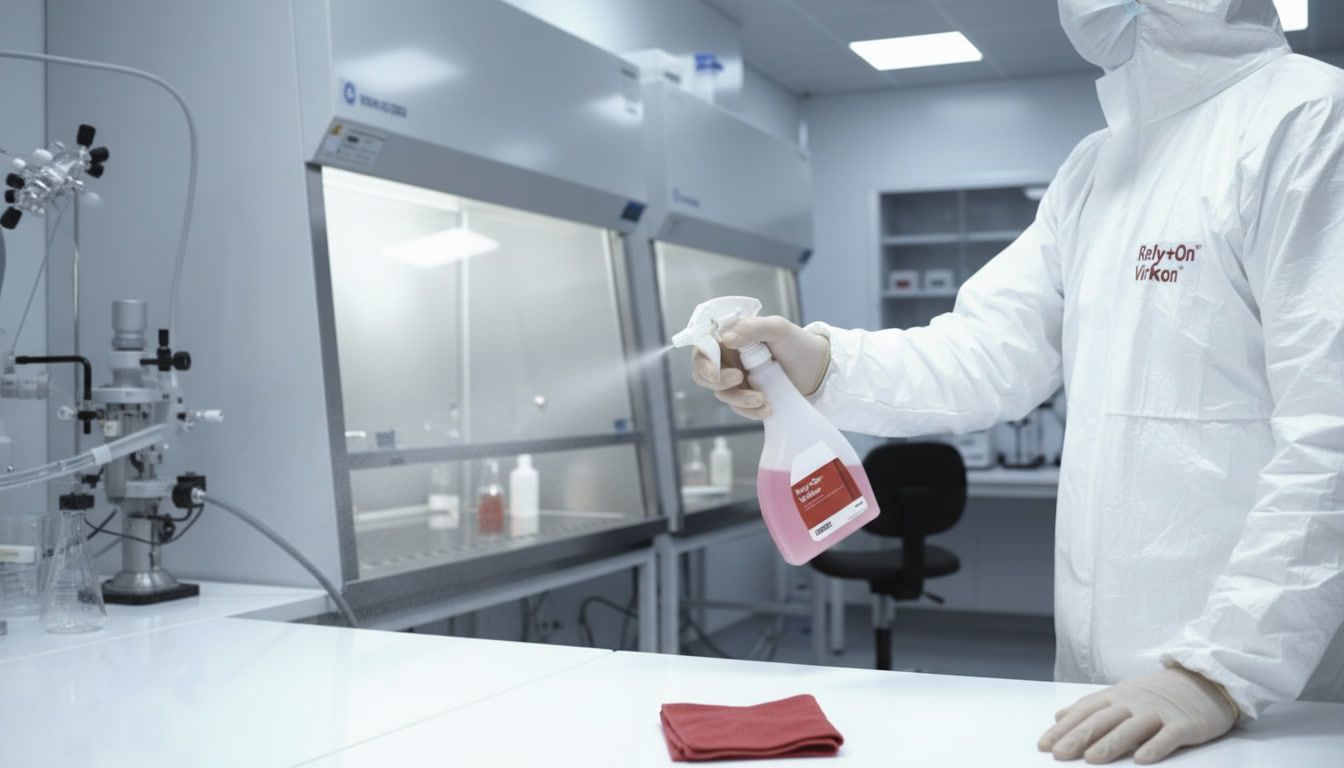
Professor Nardi invites us to also pay attention to the evaluation parameters when choosing a disinfectant, so as not to make cross-infection control ineffective

Prof.ssa Gianna Maria Nardi
The spread of cross infections in dentistry is a central topic in the prevention and control of infections in dental practices. Understanding the mechanisms of transmission, the related risks, and preventive measures — in relation to the new European regulations (ECHA) concerning substances classified as biocides — is an essential starting point for addressing the increasingly frequent global health emergencies caused by pathogens that have become resistant to traditional disinfectants.
Global infectious emergencies are events resulting from the rapid and international spread of pathogens (viruses, spores, bacteria) that threaten public health, the economy, and social stability. These are situations that may require coordination between countries, international organizations, and healthcare systems.
Biological risk is one of the main occupational hazards in dentistry since practitioners are often exposed to blood, saliva, and aerosols potentially contaminated with pathogenic microorganisms. Added to this is the chemical risk associated with disinfectants — the potential harmful effects these substances may have on users, people in treated environments, and on the environment itself. While disinfectants are useful for eliminating microorganisms, their active ingredients can be dangerous if not used properly.
Knowing the LD50 toxicity parameter of an active ingredient is important as a criterion in selecting a disinfectant, both for protecting practitioners and patients, who may be exposed to substances often described as carcinogenic.
Evaluation parameters in the selection of a disinfectant
Regarding biological risk, it is necessary to choose a disinfectant that is:
- Classified as high-level, with a >4 LOG reduction (reduces the number of microorganisms by 10,000 times compared to the initial count).
- Compliant with regulations, meaning it is included in the ECHA list of substances approved as biocides (for example, peroxymonosulfate).
For chemical risk, the LD50 value determines the level of toxicity.
These parameters are crucial for protecting the health of patients and dental staff in both private and public healthcare settings. Minimizing risk also helps reduce insurance costs and physiological damage. It is essential to use a disinfectant registered as a “disinfectant/biocidal product” with a valid health registration number — a requirement that guarantees its effectiveness and safety in use.
For example, the active ingredient potassium peroxymonosulfate (found in Rely+On Virkon / VI+SEPT) has a stable and multi-active formulation (including peroxides, surfactants, and buffers) that ensures a broad spectrum of action — bactericidal, fungicidal, and virucidal. It is effective against various microorganisms (bacteria, fungi, viruses, spores, mycobacteria) and remains active even in the presence of organic matter (such as blood, urine, or biological fluids). Once diluted, the solution maintains a pink color (an indicator of effectiveness) that remains stable for up to about five days; as long as the color persists, Rely+On Virkon remains suitable for disinfecting surfaces, equipment, and environments, even in settings with high biological contamination, using standard dilution and contact times.
For clinical safety, the effectiveness of disinfectants cannot be taken for granted. Improper use can compromise the prevention of cross infections and introduce new risks into daily dental practice. A high level of attention must therefore be maintained by the entire dental team — including dental assistants (ASOs) — as infection control responsibility is shared by everyone.
Copyright © Reproduction prohibited – All rights reserved.